

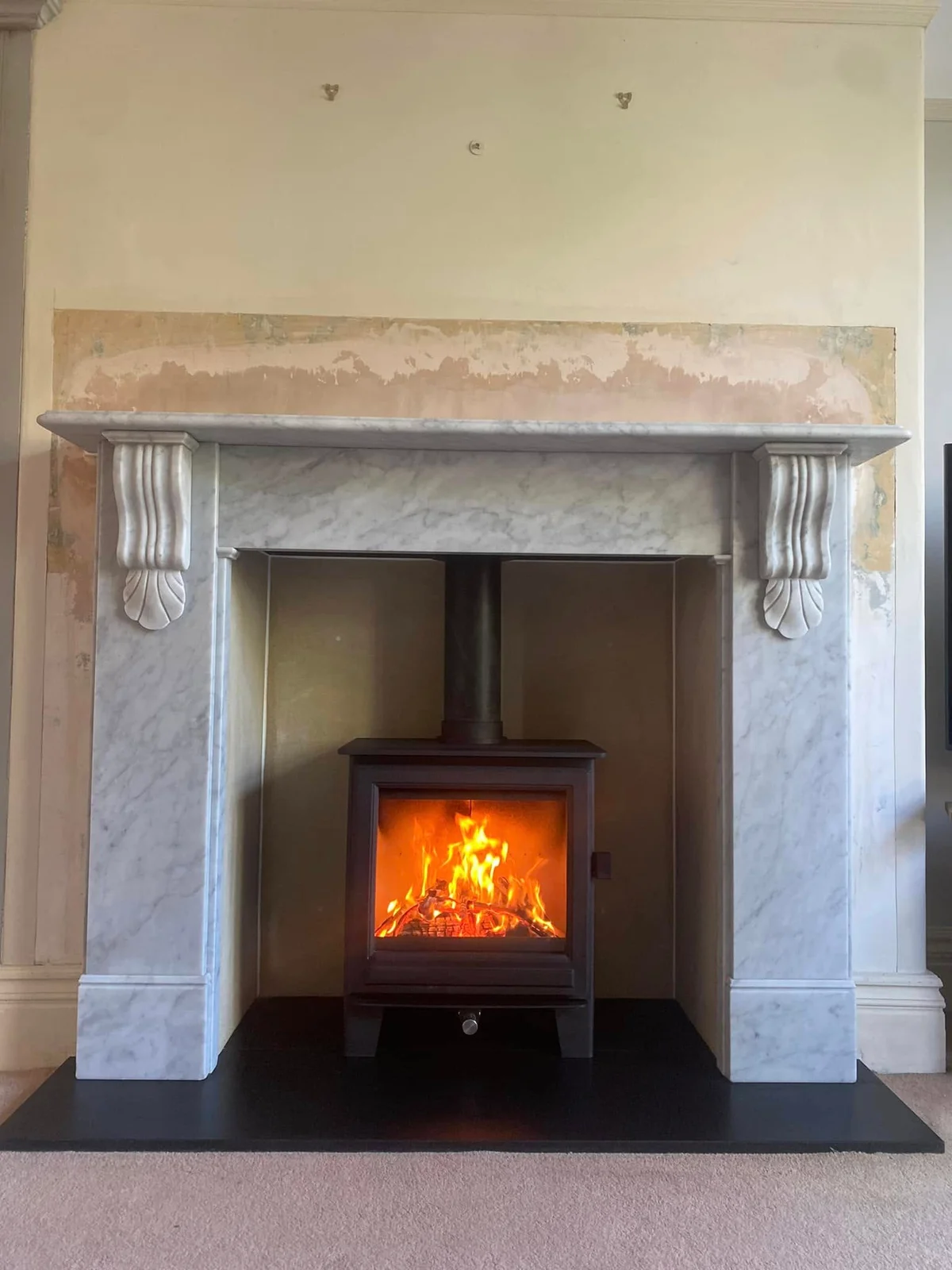
 WilmslowReclaimed marble and a new Clock Sudbury in WilmslowExplore the project ↗
Wilmslow · Macclesfield showroom
Chimney lining in Wilmslow
An existing chimney and a proposed stove need to be assessed together before the lining specification is settled.
Assess the chimney when changing the fire or fuel
Keep the old appliance, intended replacement and address-specific requirements together. A new fire needs an assessed route, even where much of the visible setting remains.
Give the Macclesfield showroom your postcode and describe the proposed work. Ask which assessment or further information is needed for your particular property.
Discuss your projectReclaimed marble and a new Clock Sudbury in Wilmslow
An old gas fireplace made way for a Clock Sudbury within a reclaimed marble surround. The work combined a new chamber and honed granite hearth with the pale stone setting.
Begin with the old fuel and the proposed new appliance
If a Wilmslow fireplace is changing from one fuel to another, describe the existing fire and the intended replacement before discussing a liner. A gas appliance, an open fireplace and a stove do not establish the same starting information. Provide the current model if known and explain whether it is still connected or in use. The assessment needs to understand the present arrangement as well as the appliance you hope to install.
Avoid assuming that a chimney or liner suitable for the previous fire will automatically suit its replacement. Ask how the existing route and condition will be checked against the exact new appliance and intended fuel. Keep removal or disconnection of the old appliance within the agreed scope and responsibilities. Do not disturb it to investigate the route yourself or to make a photograph for the initial enquiry.
Use previous paperwork as context, not a new specification
Gather the installation and maintenance documents you already have, including any information that identifies the old appliance or previous chimney work. Explain which items are known to relate to the current fireplace and which may describe an earlier arrangement. If a document is incomplete or its date is uncertain, keep that uncertainty visible. The purpose is to provide useful evidence for the assessment, rather than turn an old record into an assurance about the proposed change.
Save the new appliance details separately so the comparison is clear. A similar model name or appearance does not mean the instructions are interchangeable. Ask which edition of the relevant installation information applies to the product being considered and how the property checks relate to it. If the shortlist changes, the chimney or flue proposal should be considered against the revised appliance instead of continuing on the assumptions made for the original choice.
Check smoke-control requirements at the Wilmslow address
Cheshire East identifies smoke-control areas within Wilmslow. Check the council's map for the property and ask for clarification where necessary before settling on a solid-fuel proposal. The question concerns the exact appliance and fuel combination, as well as the address. Keep the result with the installation notes so it remains part of the decision as the product shortlist develops.
Government guidance explains the relationship between authorised fuels and exempt appliances in smoke-control areas. Use the current guidance and the instructions for the selected appliance when discussing the intended use. A liner is one part of an installation proposal; choosing one does not answer every question about the suitability or operation of a new fire. Keep the regulatory, product and property checks connected rather than treating the chimney work as a separate approval of the whole scheme.
Check the council's smoke-control information ↗Read government guidance on fuel and exempt appliances ↗Describe the work around a retained surround
Where the surround or hearth is being retained, show how the current appliance sits within it and identify which features matter to the design. The visible setting and chimney proposal need to be considered together. Ask what access or preparation is required for the assessed work and how that relates to the parts you hope to keep. This helps avoid treating a decorative decision as already settled while the installation route remains uncertain.
The shop's Wilmslow marble-and-Sudbury story provides one example of a changed fireplace setting, but its photographs are not a record of every concealed detail. Do not infer a liner specification or an appropriate connection for your property from them. Use your own appliance information and the assessed condition to develop the proposal, while the images help explain the appearance you want around the completed fire.
Read a chimney quotation by its individual tasks
Ask the proposal to distinguish the system being supplied from the preparation and associated work. Clarify what is included for assessment, access, connections and any identified repairs, using the terms in the actual quotation. If a task is conditional on further findings, ask how that condition will be resolved. This allows you to understand the intended work without assuming that the phrase chimney lining describes an identical package for every house.
Where other trades are involved, identify who handles the old appliance and any related work outside the installer's scope. Discuss how the sequence affects the hearth, chamber and finishing. A change of fuel may involve several decisions, so keep them recorded together rather than distributed across separate informal conversations. Before agreeing dates, make sure the responsibilities and outstanding checks are understood by everyone whose work depends on the final arrangement.
Check the exterior and future maintenance arrangements
If the proposal alters the chimney exterior or introduces a different visible flue arrangement, include that in the address-specific planning discussion. Mention any listed status or conservation-area considerations and keep relevant council advice with the project record. The town name alone does not settle those requirements. Describe the current proposal accurately, particularly if it has changed since advice was first requested.
Also ask how the appropriate future sweeping or maintenance will be carried out for the completed system. The answer should relate to the actual appliance and route, including any access that must remain available. Keep the supplied instructions and completion documents with the exact product details. Those records will be more useful for future care or alterations than relying on a photograph of the finished surround to explain what was installed.
Bring a clear changeover brief to the showroom
For an initial enquiry, provide the Wilmslow postcode, the current fuel and appliance, the proposed new fire and any relevant paperwork. Add room photographs and accessible exterior views taken safely from the ground. Say which features you want to retain and what remains uncertain. The Macclesfield showroom can then discuss the service required and what assessment or further information would be appropriate before a route is agreed.
You can compare appliance options at Hulley Road while keeping the final chimney specification tied to the eventual choice. Ask how a change of model would affect the proposal, and make sure the agreed quotation identifies the intended appliance and associated work. A useful outcome is a coordinated changeover plan with clear responsibilities, rather than a new liner considered independently of the old fire, the new fuel and the property.
Plan the Wilmslow installation ↗Visit the Macclesfield showroom ↗Plan your project
Services for your Wilmslow home
Work near you
Completed work, connected by place
Select a town marker to see the projects connected to it. Every point uses the approximate town centre, never a customer address.
Town-centre markers protect customer privacy.
Cheshire, by the fireplace Town centres · private homes stay private
Explore the projects and towns alongside the map.
The work, in place
Find your inspiration.
9 projects on the map
WilmslowReclaimed marble and a new Clock Sudbury in WilmslowExplore the project ↗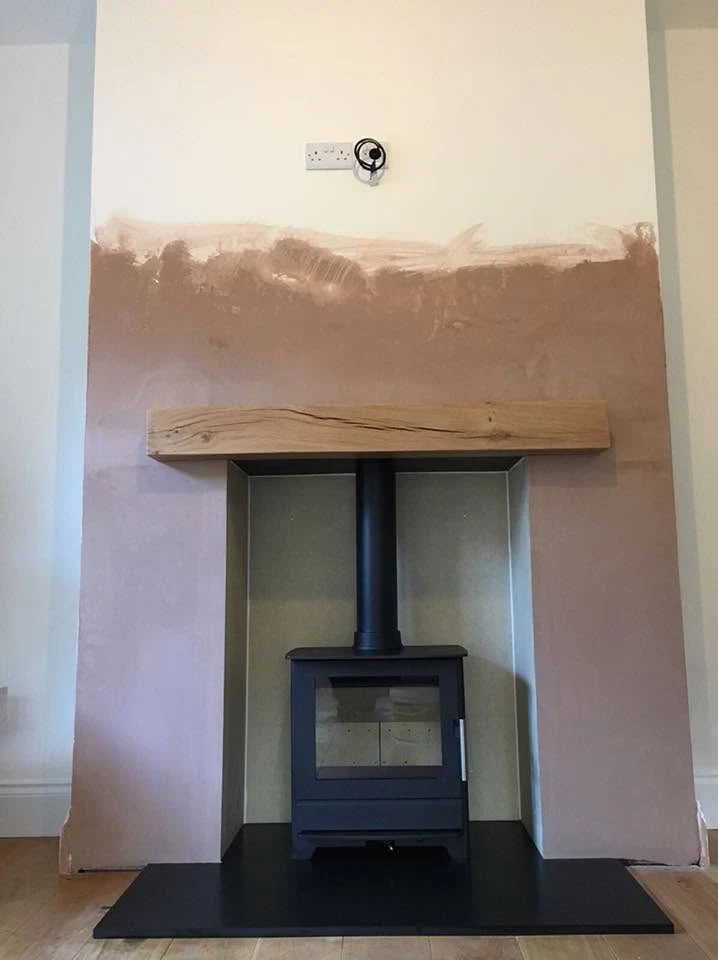 WilmslowCompleting a HETA 45 fireplace in WilmslowExplore the project ↗
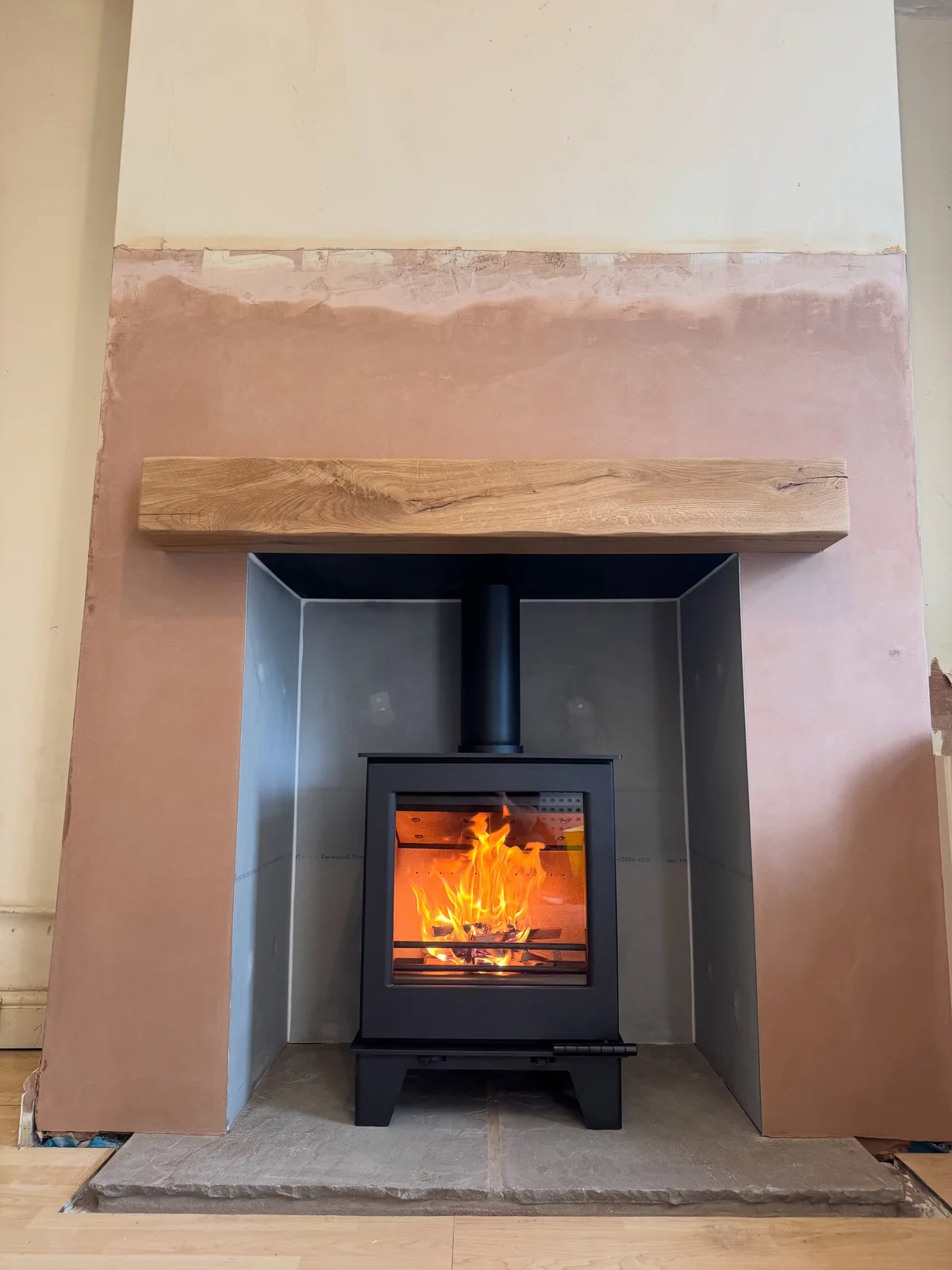 BollingtonAn Archer Challenger fireplace in BollingtonExplore the project ↗
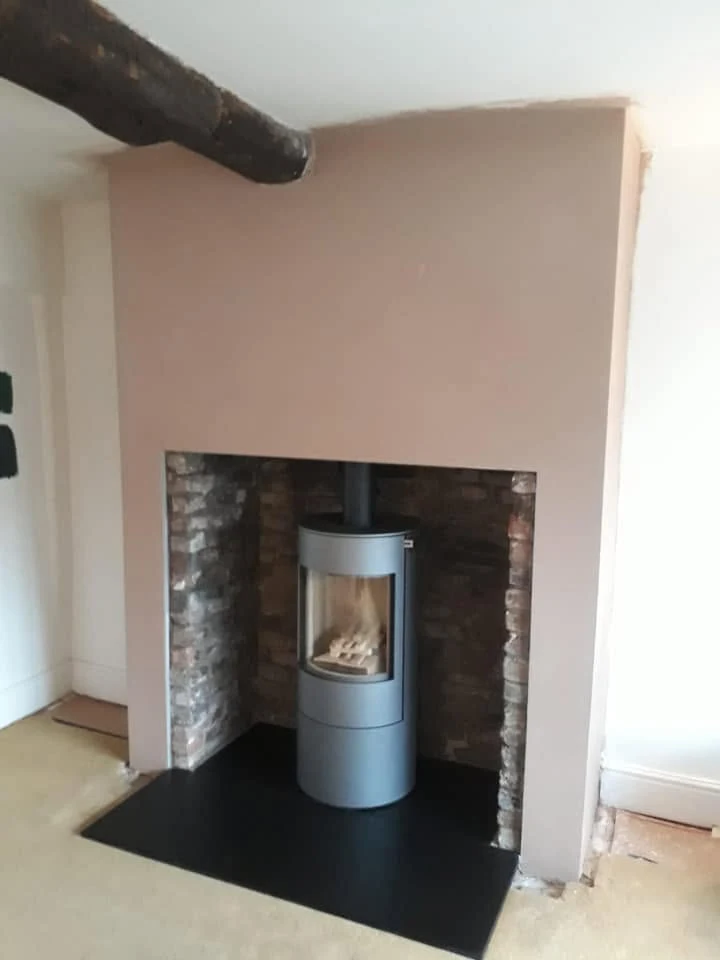 BollingtonA RAIS Viva L with retained masonry in BollingtonExplore the project ↗
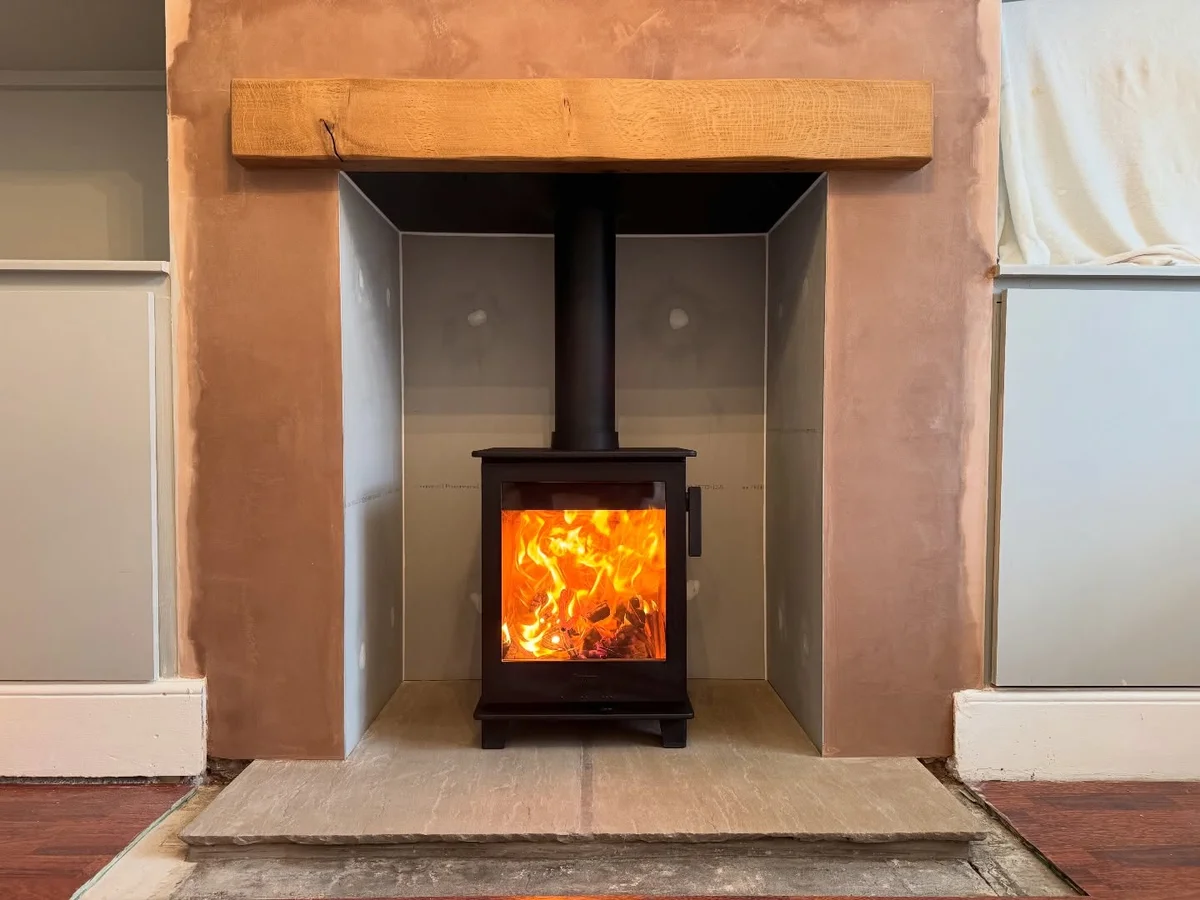 MacclesfieldA Contura 110 fireplace in MacclesfieldExplore the project ↗
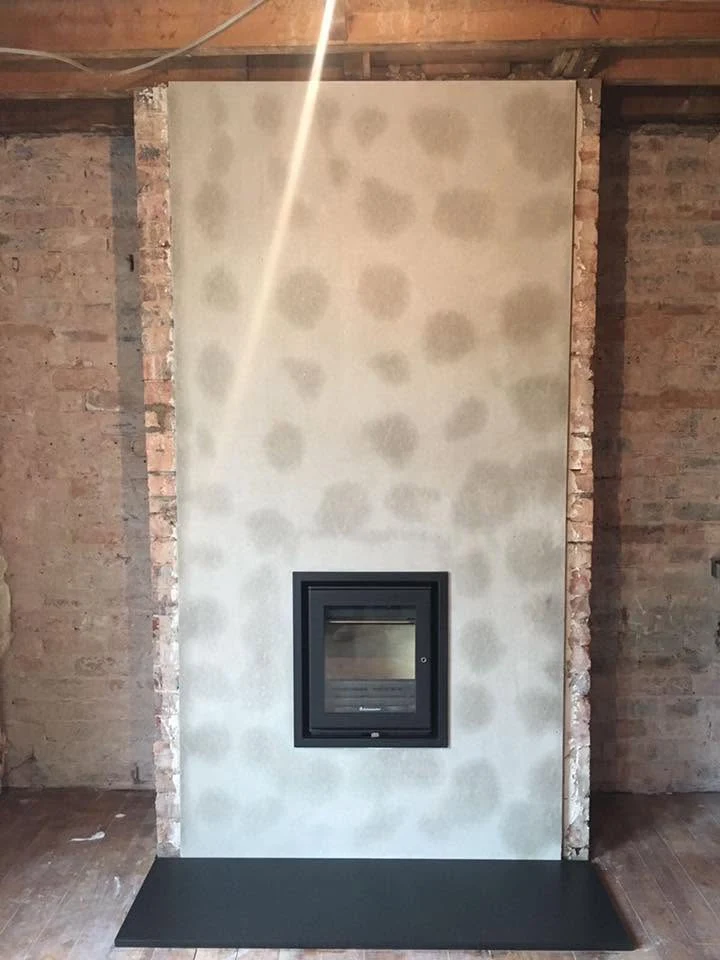 MacclesfieldA raised opening for a Jetmaster 18i in MacclesfieldExplore the project ↗
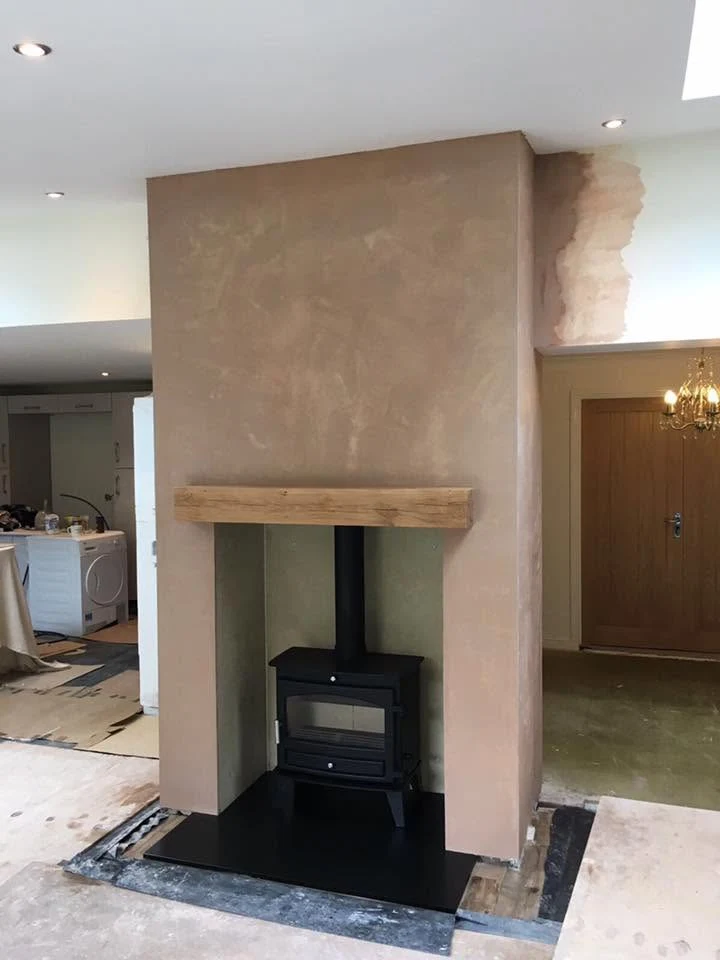 MacclesfieldCreating a fireplace in a Macclesfield extensionExplore the project ↗
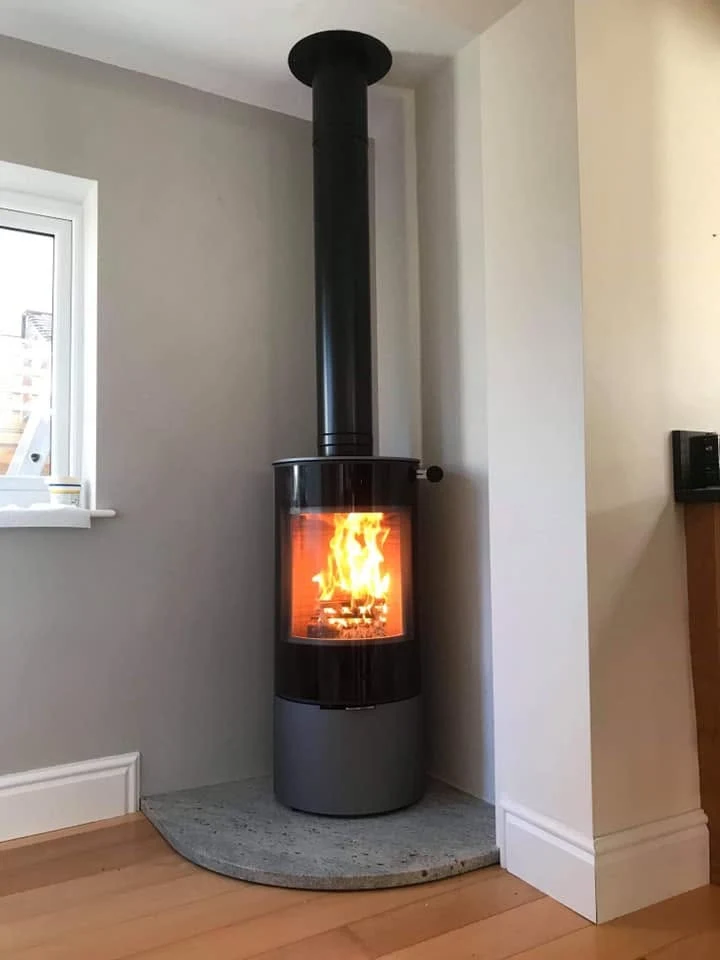 MacclesfieldA RAIS Viva L in a Macclesfield kitchen extensionExplore the project ↗
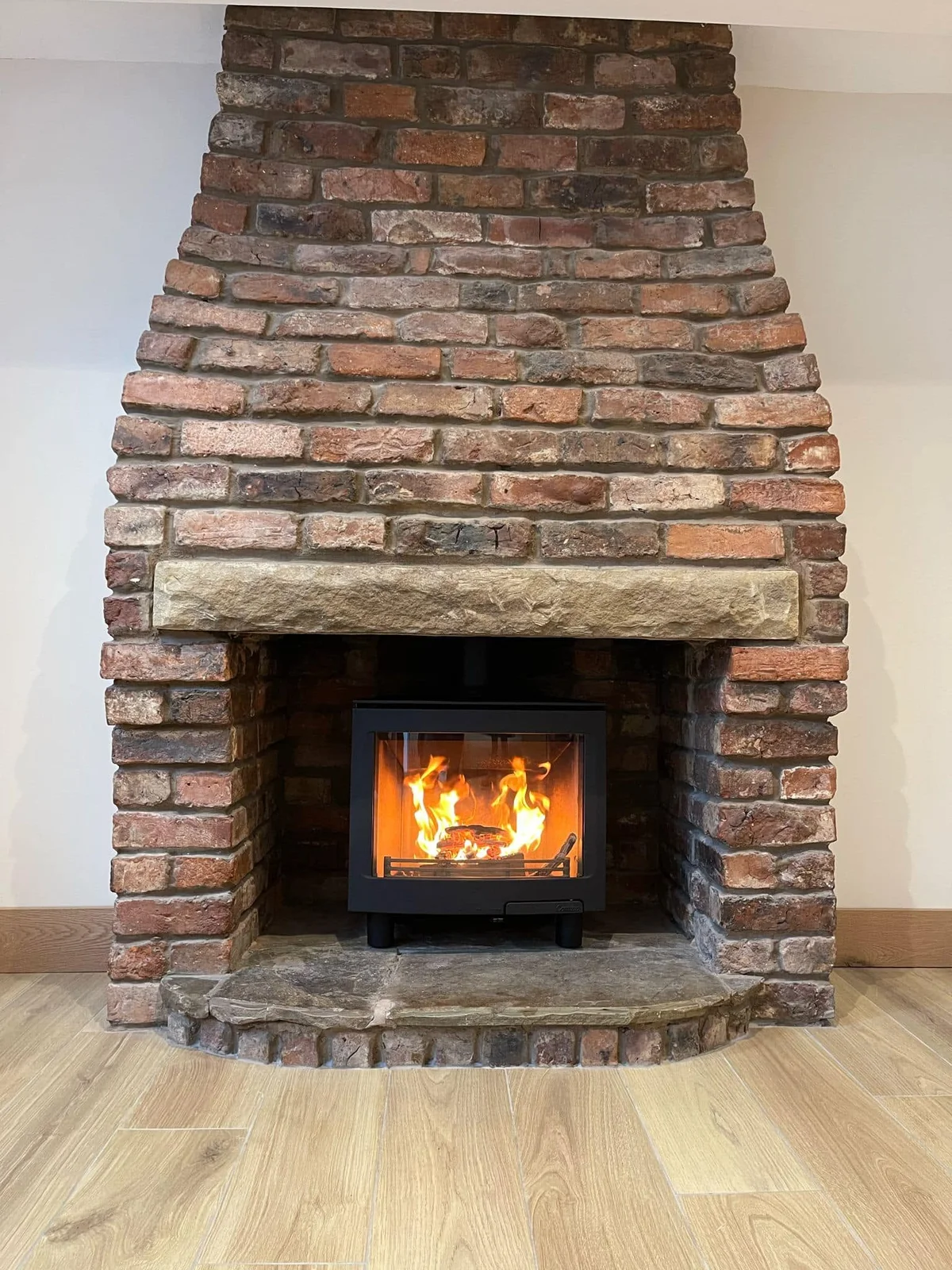 PoyntonFitting a Contura i5 into a low fireplace in PoyntonExplore the project ↗
Start at the showroom.
No project locations to show here. Explore the ranges and bring photographs of your room to Macclesfield.
Plan your showroom visit ↗Work near you
Explore by town.
Real projects, placed at their town centres.
Only projects with a confirmed town appear on this map.
Plan a visit
Macclesfield showroom.
Explore the ranges, bring photographs of your fireplace and talk through the possibilities for your home.
This marker represents the town centre. Use the showroom page for the visitor address and directions.
Plan your showroom visit ↗A simple first step
Discuss your Wilmslow project
Tell us what you have in mind. The showroom team will be in touch shortly.
Prefer to talk? Call 01625 402900.