

Advice
Wood-burning, multi-fuel, gas or electric: how to choose
Compare the flame, control, fuel, room and installation questions that separate wood-burning, multi-fuel, gas and electric fires.
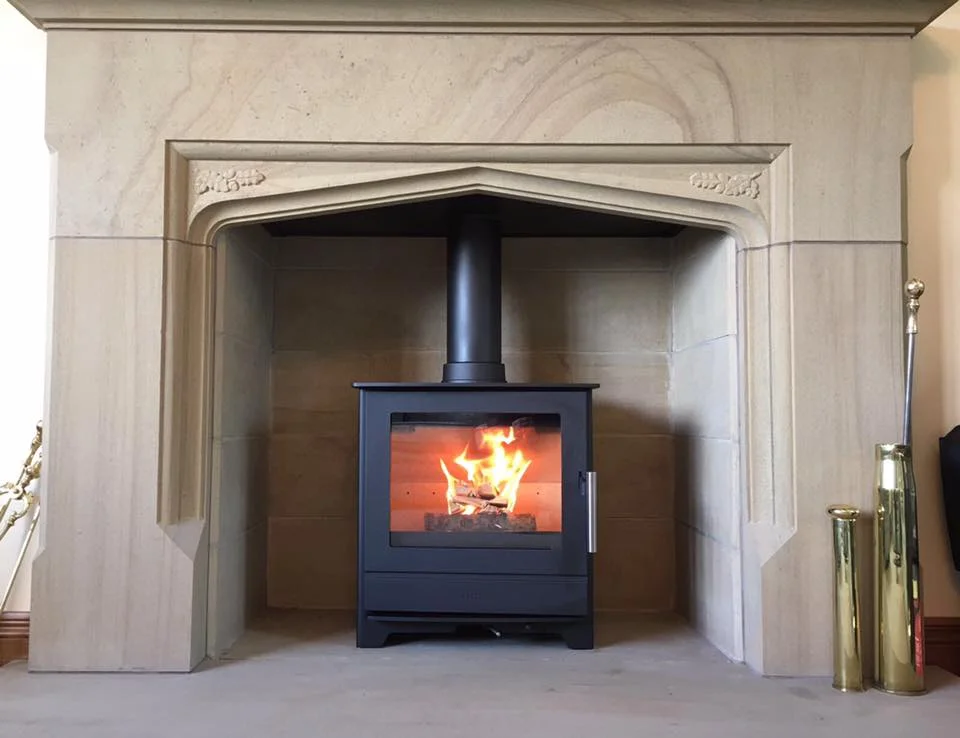
Choosing a fire is easier when you separate the decision into two parts: how you want the room to feel day to day, and what the property can support. The fuel type affects the flame, controls, upkeep and installation. The room, chimney or flue, power supply and intended use then narrow the shortlist.
There is no universal best option. A wood-burning stove may suit someone who enjoys tending a real fire and has space for dry logs. Gas can provide a living flame with quicker control. Electric offers broad placement and flame effects without a chimney. A multi-fuel stove adds flexibility over suitable solid fuels, but only within the fuels approved for the exact appliance.
Start with the experience you want
Before comparing model names, decide what you want the fire to do.
- A hands-on real fire: wood-burning and multi-fuel stoves involve storing fuel, lighting the fire, refuelling and clearing ash.
- A real flame with direct control: gas may be the better route where the property and appliance can support the required gas and flue arrangement.
- A visual focal point with simple controls: electric fires can make sense for media walls, existing fireplaces and rooms where a chimney is unavailable.
- Occasional atmosphere or regular room heat: the balance matters. A fire chosen mainly for appearance can have a different format and output from one intended to heat the room frequently.
Write down the two or three things that matter most. That prevents a dramatic flame picture or attractive finish from pushing the practical questions aside.
Wood-burning stoves
A wood-burning stove is designed to burn suitable logs. It suits people who want the character of a real solid-fuel fire and are comfortable with the routine that comes with it.
Think about:
- where dry logs will be stored;
- how often you expect to light the stove;
- the existing chimney, or whether a new flue route may be possible;
- the hearth, chamber and clear space required by the selected appliance;
- local smoke-control rules and the fuels permitted for the appliance.
In England, small quantities of firewood sold for domestic use must be certified as Ready to Burn. HETAS explains that suitable wood should have a moisture content of 20% or less. Wet, treated or waste wood is not a substitute: use only the fuel stated in the appliance instructions.
If the property is in a smoke control area, the rules affect the combination of appliance and fuel. GOV.UK advises checking with the local council and using an authorised fuel or an exempt appliance as required. Do not assume that every modern-looking stove is automatically suitable.
Explore wood-burning and multi-fuel stoves.
Multi-fuel stoves
A multi-fuel stove is built differently from a dedicated wood burner. It normally includes a grate and ash-handling arrangement so that it can use suitable approved solid fuels as well as wood, depending on the model.
The word “multi-fuel” does not mean “burn anything”. The manufacturer instructions define the permitted fuels, and HETAS advises against burning different fuel types together unless the appliance instructions expressly allow it. Your likely fuel routine should drive the choice: flexibility is only useful when it matches what you will actually buy, store and burn.
Ask to compare a wood-only and multi-fuel version side by side. Look at the firebox, controls, grate and ash pan, then discuss how those differences affect daily use.
Gas stoves and fires
Gas covers more than a traditional inset fire. The choice includes stove-format appliances and wider built-in designs, each with its own flame picture, controls and flue requirements.
Gas is worth exploring when you want:
- a real flame without storing logs or clearing ash;
- heat that can be adjusted quickly;
- a stove-shaped focal point or a fire designed into a fireplace or wall;
- a controlled, repeatable way to use the fire.
The proposed position, gas supply and exact flue arrangement must be considered together. UK gas work must be carried out by a business or engineer registered for the relevant work. Check the engineer and the categories shown on their Gas Safe ID card rather than relying on a general claim.
Electric fires and stoves
Electric gives the widest freedom over flame-effect formats. It can suit a room without a chimney, an existing fireplace that is no longer used for combustion, a media wall or a place where the flame effect matters more than a real flame.
Advantages often include simple controls, flame effects that can be used separately from heat on many models, and no combustion flue. The trade-offs are equally clear: the flame is an effect, heat output and electrical requirements vary, and the cable, socket or dedicated supply still need to work with the finished design.
Do not treat every electric fire as a portable appliance that can be placed anywhere. Built-in models, media-wall fires and higher-powered products may need coordinated construction or electrical work. Follow the exact manufacturer instructions and use a registered electrician when electrical installation work is required.
Explore electric fires and stoves.
Compare the practical differences
| Question | Wood-burning | Multi-fuel | Gas | Electric |
|---|---|---|---|---|
| Flame | Real solid-fuel flame | Real solid-fuel flame | Real gas flame | Flame effect |
| Daily input | Light, refuel and remove ash | Light, refuel and remove ash | Direct controls | Direct controls |
| Fuel storage | Dry log storage | Storage for permitted fuels | No solid-fuel storage | No fuel storage |
| Chimney or flue | Existing chimney or planned flue route | Existing chimney or planned flue route | Model-specific flue arrangement | No combustion flue |
| Property checks | Room, hearth, ventilation, chimney or flue | Room, hearth, ventilation, chimney or flue | Gas supply, position and flue | Power, position and surrounding construction |
This table is a starting point. The exact appliance instructions and a property assessment take priority over a general comparison.
A useful order for making the decision
- Define the job. Decide whether the fire is mainly for room heat, atmosphere, an architectural focal point or a mixture of all three.
- Record the room. Take photographs, rough dimensions and notes about the existing fireplace, chimney breast, outside wall and power or gas points.
- Identify the realistic fuel routine. Consider storage, cleaning, controls and how often the fire will be used.
- Compare flame and proportions in person. A showroom visit is the best way to judge scale, finish and controls.
- Check the property route. Confirm output, chimney or flue, ventilation, hearth, gas and electrical questions for the exact model before committing.
If you are still split between two fuels, keep both on the shortlist. Bring the room to the Macclesfield showroom and use the property questions to decide which route deserves a detailed survey.
Sources checked
General guidance checked on 16 September 2026 against:
- GOV.UK: smoke control area rules
- GOV.UK: domestic solid-fuel rules in England
- HETAS: the types of stove explained
- HETAS: how to season firewood
- GOV.UK: registration to carry out gas work
- Electrical Safety First: home electrical safety advice
This is general buying guidance. Suitability, installation requirements and permitted fuels depend on the property and the exact appliance.
Continue planning
Related buyer guides
Questions to ask before buying a fire or stove
Use this practical checklist to compare appliances, installation routes, running requirements and the finished fireplace before you commit.
02Preparing for a stove and fire showroom visit
Bring the photographs, measurements and property details that turn a showroom visit into a useful shortlist for your home.
03How to choose the right stove output for a room
Understand nominal stove output, room heat demand and the property details that matter before choosing a kW rating.
A simple first step
Ask about your room
Tell us what you have in mind. The showroom team will be in touch shortly.
Prefer to talk? Call 01625 402900.